Modern outlaw country is less a uniform sound than a useful way to find artists who put the song, the voice, and the point of view ahead of a clean formula. The old movement gave country music a model for creative freedom. The artists below carry that freedom forward in their own ways, from spare Kentucky writing to Texas groove, hard country baritones, and records that leave a little dirt on the boots.
What carries forward from the original outlaws
The word outlaw can get used so loosely that it stops meaning much. It does not simply mean a black hat, a loud guitar, or a song about trouble. The original movement was built around artists claiming more say over the records they made. The Country Music Hall of Fame’s account of Waylon Jennings puts that fight in practical terms: control over the material, studio, and musicians.
Modern artists do not need to recreate a 1970s session to honor that idea. Some lean traditional, some bend toward rock, folk, blues, or soul. What earns the connection is a believable voice, writing with real detail, and choices that sound like they belong to the artist rather than a template. A current modern outlaw country listening list from Holler spans Tyler Childers, Charley Crockett, Nikki Lane, Whiskey Myers, Jamey Johnson, and Kelsey Waldon. The range is the point.

10 modern outlaw country artists to hear
This is not a ranking and it is not a test anyone has to pass. It is a practical listening route. Start with the artist whose sound fits the mood you are after, then follow the songs sideways into the rest of the group.
1. Sturgill Simpson
Start with Sturgill Simpson when you want country music that is comfortable getting strange, tender, funny, and cosmic without losing its center. Metamodern Sounds in Country Music makes room for big questions and old-school country feeling in the same breath. His later work shifts shape, but the voice stays unmistakable. Try “Turtles All the Way Down,” then “Life of Sin” for a sharper turn.
2. Margo Price
Margo Price belongs near the front of any modern outlaw country conversation because she writes with bite and sings like she is not asking permission. “Hurtin’ (On the Bottle)” has the hard-won swing of a barroom song, while “This Town Gets Around” shows how a plain line can carry a full life behind it. Her records also make room for country, rock, and soul without making any of those influences feel like decoration.
3. Jamey Johnson
Jamey Johnson is the choice for a listener who wants a low, heavy voice and songs with no interest in rushing past the hard part. “In Color” is a lesson in letting a story unfold, while “High Cost of Living” shows why restraint can hit harder than a big chorus. His sound leans traditional, but the writing and the willingness to leave a character complicated keep it close to the outlaw spirit.
4. Tyler Childers
Tyler Childers brings Kentucky detail, a restless vocal, and a strong sense of place to the conversation. “Feathered Indians” is a natural first listen, but “Nose on the Grindstone” gets closer to the part of his work that listeners carry around for a while. His songs move freely between clear country storytelling and a broader roots pull.
5. Charley Crockett
Charley Crockett is a good next step when you want movement in the rhythm as much as grit in the lyric. He draws from country, blues, Gulf Coast soul, and old dance-hall swing, then makes the mix feel lived-in rather than borrowed. Start with “$10 Cowboy” for the wandering character at the heart of the song, then try “Welcome to Hard Times” for a darker, more cinematic side.
6. Kelsey Waldon
Kelsey Waldon proves that a traditional country foundation does not have to mean a polished or safe record. Her singing is direct, her songs stay close to working life and place, and she leaves room for a line to land without crowding it. Begin with “All By Myself,” then move to “I’ve Got a Way” to hear how much force can sit inside a controlled performance.
7. Colter Wall
Colter Wall is a strong choice for a listener drawn to older Western stories, plain acoustic texture, and a voice that sounds older than the calendar. “Kate McCannon” has the storytelling pull that makes people lean closer, while “Sleeping on the Blacktop” brings more drive. His music is not trying to sound contemporary in a shiny way, and that refusal is part of its appeal.
8. Nikki Lane
Nikki Lane brings confidence, sharp edges, and a rock-and-roll charge without dropping the country center. Start with “Highway Queen” for the obvious entry point, then hear “Right Time” for the cool control in her phrasing. She is a useful reminder that the outlaw tradition has always needed women who refuse to be filed away as an afterthought.
9. Whiskey Myers
Whiskey Myers opens the door for listeners who want more Southern rock in the mix. “Broken Window Serenade” is a patient, heavy song that earns its emotion, while “Ballad of a Southern Man” brings a bigger guitar sound. The band can get louder than the artists around it in this guide, but the songs stay rooted in character and place.
10. Jason Isbell
Jason Isbell sits at the wider edge of modern outlaw country, and that is useful. His work is often filed under Americana or Southern rock, but the close observation and moral weight in songs like “Cover Me Up” and “If We Were Vampires” belong in the same listening path. He is proof that the point is not to copy a sound. It is to make the song specific enough that it cannot be mistaken for anybody else’s.
Build a listening path instead of chasing a label
A playlist can be a starting point, but it is better when it gives you a way to hear your own taste taking shape. Pick one of these routes, then follow the names that keep pulling you back.
- For Kentucky stories and plainspoken writing: begin with Tyler Childers, then move to Sturgill Simpson and Kelsey Waldon.
- For a heavier traditional pull: start with Jamey Johnson, then hear Colter Wall and the original artists in the Outlaw Country artists guide.
- For groove, motion, and a wider mix: start with Charley Crockett, Nikki Lane, and Whiskey Myers.
- For songs that stay with you after the last line: spend time with Jason Isbell, Margo Price, and the writers around the original movement.
The test is simple. Listen for a detail you believe, a vocal that has some grain in it, and an arrangement that knows when to get out of the way. If those things are present, it matters less whether every listener agrees on the label.

Four questions that make a new artist easier to hear
When a recommendation lands, give it more than one song before deciding whether it is for you. The artists in this guide are not interchangeable, and a single playlist placement can hide the part that makes each of them distinct. These four questions keep the listening active without turning it into homework.
- What is the song about when the hook is gone? Strong outlaw-adjacent writing usually has a real person, place, decision, or consequence underneath the chorus.
- Where does the singer leave the rough edge? It may be a crack in the voice, an unhurried phrase, or a line that is allowed to feel uncomfortable instead of polished away.
- What is the band doing for the story? Listen for space. A steel guitar, drum pulse, or bass line should make the lyric feel heavier, not compete with it.
- Which song makes you want a second listen? That is usually the right path to follow. Find the album it came from, then look for the artists, writers, and old records it points toward.
This approach also keeps the old and new music connected. Hear a modern artist, then trace one influence backward. A listener who responds to Jamey Johnson might find Waylon Jennings. Someone drawn to Margo Price or Nikki Lane may want to spend time with Jessi Colter. A Tyler Childers or Sturgill Simpson song can lead naturally into the Kentucky and Texas writing that helped make the original movement feel personal in the first place.
What modern outlaw country is not
It is not a costume, a dress code, or a shortcut to credibility. A song can have a loud guitar and still say nothing. It can be quiet and still carry enough truth to stop you in your tracks. Traditional country, Americana, Red Dirt, Southern rock, folk, and roots music overlap constantly. Let them overlap. The useful part of the outlaw idea is not putting artists in a tighter box. It is finding music willing to sound personal.
That is also why this guide should not replace the history. The original movement had its own time, places, and personalities. Start with what outlaw country means when you want that foundation, then come back to these records to hear what has changed and what has not.
Where Dustin Nova fits in
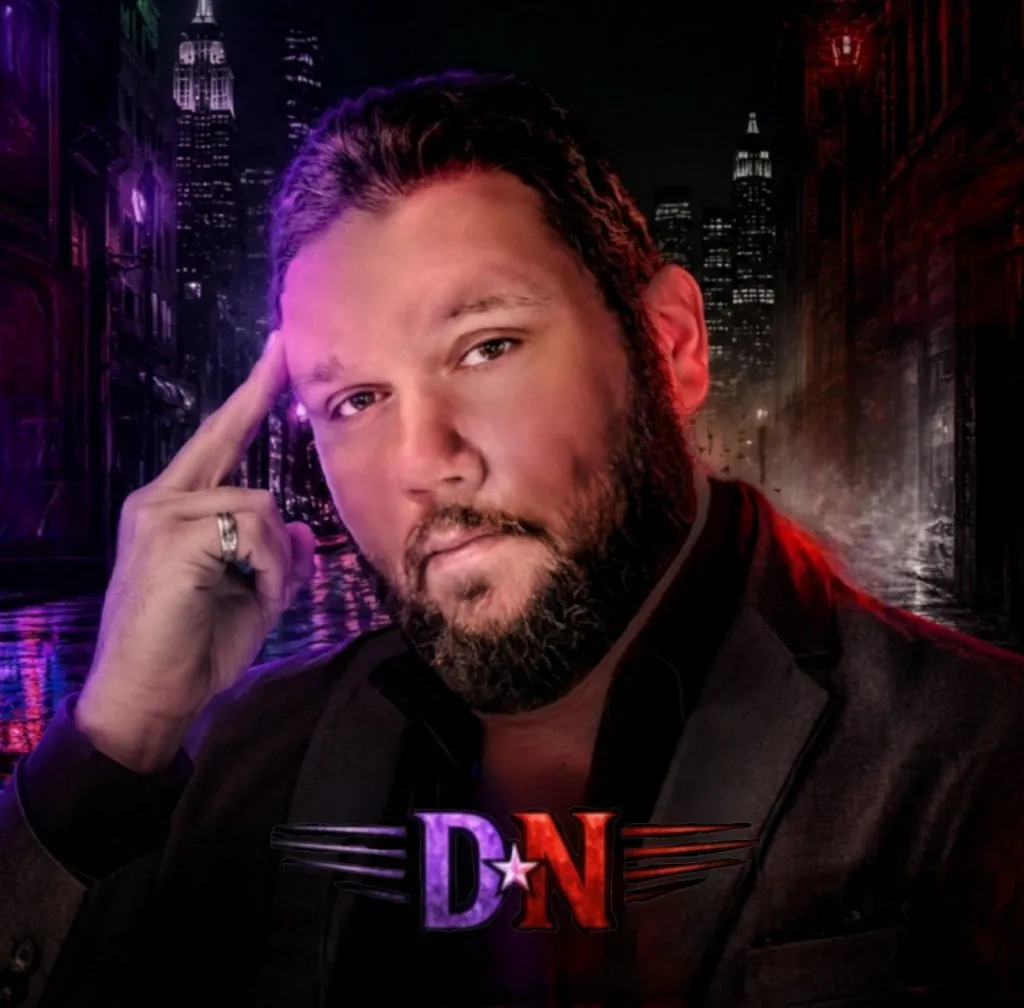
Dustin Nova is not trying to recreate somebody else’s era. The connection is in the Kentucky road miles, the straight-talking country writing, and the Soul and Motown pull that lets a melody carry its weight. It is music for listeners who want some grit in the voice and some groove under the story.
Hear both sides in the music collection, see the performance side in the official videos, and read the story behind the songs. Thejournal keeps new releases and road updates close.
Listen to Dustin Nova ↗FAQ
Frequently asked questions
What is modern outlaw country?
Modern outlaw country is not a strict genre with one sound or a fixed list of artists. It usually describes newer country and roots music that values direct writing, distinctive voices, independent choices, and enough rough edge to keep the song from feeling manufactured.
Who are some modern outlaw country artists?
Listeners often connect artists including Sturgill Simpson, Margo Price, Jamey Johnson, Tyler Childers, Charley Crockett, Kelsey Waldon, Colter Wall, Nikki Lane, Whiskey Myers, and Jason Isbell to the broader outlaw tradition. Their records are different from one another, which is exactly why the label should be a starting point instead of a rule.
Is modern outlaw country the same as Americana?
Not exactly. Americana is a broad home for country, folk, blues, rock, and roots music. Modern outlaw country can sit inside that wider world, but it usually carries a stronger connection to country storytelling, personal independence, and the rougher spirit associated with the 1970s movement.
Where should I start with modern outlaw country?
Pick a door that matches what you want from a song. Start with Sturgill Simpson or Tyler Childers for Kentucky-rooted writing, Margo Price or Nikki Lane for a sharp independent voice, Jamey Johnson or Colter Wall for a heavier traditional pull, and Charley Crockett or Whiskey Myers for more motion and groove.
Keep Reading
Related posts
What Is Outlaw Country? A Straight-Talking Guide
The history, sound, and spirit behind a country movement that still means something.

Outlaw Country Artists: A Listening Guide
The original outlaws, the songwriters around them, and the artists carrying that spirit forward.

Outlaw Country Songs: 12 Essential Tracks to Hear
A practical listening guide to the songs that define Outlaw Country, from back-road singalongs to hard-won stories.

Outlaw Country Playlist: 24 Songs for the Long Road
A 24-song listening route through the records, writers, and newer voices that keep Outlaw Country moving.