Outlaw country is a corner of country music built on plainspoken songs, rougher edges, and an insistence that artists should have a real say in how their records are made. It grew into a movement in the 1970s, but the reason it still lands is simple: it puts the story ahead of polish.
It started with creative freedom
In the 1960s and early 1970s, Nashville had a strong studio system. Producers, labels, and session players often shaped the final sound of a record. That system made plenty of great music, but it also left some artists wanting more room to make the records they heard in their own heads.
The country artists later called outlaws were not trying to leave country music behind. They were trying to make it feel less controlled. The Country Music Hall of Fame describes Waylon Jennings’ fight as a demand to choose his own material, studio, and musicians. That is the heart of the word outlaw here: not crime, just refusing to be shaped into somebody else’s idea of country.
Texas gave the movement a place to grow
The story is closely tied to a return from Nashville to Texas, especially Austin. Willie Nelson found room there for a looser musical life, where country players, folk writers, rock musicians, and long-haired listeners could share the same room without anyone worrying too much about the dress code.
That mix mattered. Outlaw country was not a single clean sound with one approved guitar tone. It could be spare and acoustic, rowdy and electric, rootsy, bluesy, or touched by rock. The Library of Congress’ country music timeline places Willie Nelson’s outlaw movement in this era, and the 1976 collection Wanted! The Outlaws helped give the scene a name people could remember.
That is why the term can be confusing today. It points to a real place and time, but it also became shorthand for a bigger choice: make the song honest, then let it sound like itself.
What does outlaw country sound like?
There is no one test, and that is part of the appeal. Still, a few traits show up again and again. The vocals tend to feel lived-in instead of overly polished. The arrangements leave space for the lyric. The rhythm can carry a barroom swing, a highway roll, or a rock-and-roll push. And the songs usually care more about a believable point of view than a perfect image.
- Direct storytelling: songs about work, freedom, love, regret, family, trouble, and the miles in between.
- Rougher texture: a vocal crack, a little grit, and instruments that sound like people playing together.
- More than one influence: country at the center, with room for folk, blues, gospel, rock, and soul.
- Artist identity: the record should feel connected to the person making it, not a costume they put on for the day.
Start with the vocal. In outlaw country, a voice is often allowed to keep its grain. It can be weathered, conversational, cracked at the edge, or almost casual. That does not mean the singing is careless. It means perfection is not the point. The phrasing has to make you believe the person could only say the line that way.
Then listen to the space around it. A lot of strong outlaw records know when to hold back. A guitar figure, a steady drum pulse, a little steel, or a bare acoustic part can do more than a crowded arrangement. The room around the singer gives the lyric a chance to arrive. When the band does open up, it usually feels like the story earned it.
The people most associated with the sound
Willie Nelson and Waylon Jennings sit at the center of almost every outlaw country conversation. Their music and public choices gave the movement its scale. Kris Kristofferson brought writerly detail and a restless point of view. Jessi Colter made essential records and was part of Wanted! The Outlaws. Tompall Glaser, Billy Joe Shaver, Jerry Jeff Walker, Guy Clark, and Joe Ely each helped widen the picture in their own way.
Johnny Cash belongs in the larger family tree, too. His black-clad image, prison concerts, and refusal to sand down his stories made him a natural reference point for listeners who value the outlaw spirit. But it is worth keeping the history straight: outlaw country was a specific 1970s movement, not a catch-all label for every country singer who looks tough.
The movement’s influence kept traveling. The Smithsonian notes thatWillie Nelson’s 1975 Red Headed Stranger succeeded after he gained complete creative control, strengthening the case for artist independence in country music. That is a big part of why newer artists can take inspiration from outlaw country without recreating every old recording choice.
Outlaw country is not just “old country”
A lot of people use the term for any song with a beard, a black hat, and a loud guitar. That misses the point. Vintage clothes can be fun, but they do not make a song independent or true. A modern outlaw country track may use fresh production, a different vocal style, or influences that did not belong to the 1970s at all.
The better question is whether the music has its own center of gravity. Does the singer sound like they believe the lyric? Does the band serve the story? Is there room for a rough edge instead of smoothing every moment out? If the answer is yes, the song may carry some of that same spirit.
How to listen for the outlaw spirit
You do not need a history lesson before you press play. A useful way in is to listen for the relationship between the voice and the story. When a singer talks about a town, a job, a bad decision, or a person they miss, does the detail feel chosen or borrowed? The best country writing makes a specific life feel familiar without trying to explain every inch of it.
Next, pay attention to what the song refuses to hide. It may leave in the ache, the stubbornness, the humor, or the bad weather. Outlaw country has room for a character who is not fully cleaned up by the last chorus. That is one reason the songs can feel more durable than a simple good-time anthem. They let the listener bring some of their own story to the line.
Finally, separate influence from imitation. A newer artist may not sound like Waylon Jennings or Willie Nelson, and they should not have to. The point is not to recreate a vintage studio. The point is to make choices that serve the artist and the song, even when those choices are less tidy than the usual formula.
Outlaw country, Americana, and traditional country
These labels overlap, which is why listeners can end up arguing about them like they are fence lines. Traditional country usually points to music rooted in older country forms: clear twang, honky tonk, fiddle, steel guitar, and classic songwriting structures. Americana is broader. It can bring country, folk, blues, rock, and roots music together under one tent.
Outlaw country can touch both of those worlds, but it carries a particular history of independence. A song can be traditional and still feel polished. A song can be Americana and still be too broad to call outlaw country. The outlaw label works best when there is a clear connection to the movement’s rougher sound, independent outlook, or plainspoken storytelling.
There is no prize for forcing a label onto every record. The labels are useful when they help a listener find a sound they love. Once the music is playing, the only thing that matters is whether the song feels alive.
Why the sound still matters
People keep coming back to outlaw country because it feels human-sized. It does not need a perfect life or a perfect voice. It makes room for songs that sound like a person has been somewhere, lost something, worked for something, or stayed a little too long after closing time.
That makes it a natural bridge between country storytelling and other roots styles. Soul, blues, and gospel all care about feeling, phrasing, and the weight of a lived line. When those elements meet country’s eye for place and detail, the result can be less about genre rules and more about whether the song tells the truth.
That truth can be quiet. Not every outlaw country song needs to race down a back road or pick a fight with Nashville. Some of the strongest ones sit with regret, faith, loneliness, or the small grace of making it home. The style is often called rebellious, but its best work is just as interested in vulnerability as bravado.
That range is why the movement has lasted. It made room for artists to sound like themselves, and listeners still recognize that permission when they hear it. The old records give the sound its roots. New songs keep proving that the roots are still growing.
Where Dustin Nova fits in
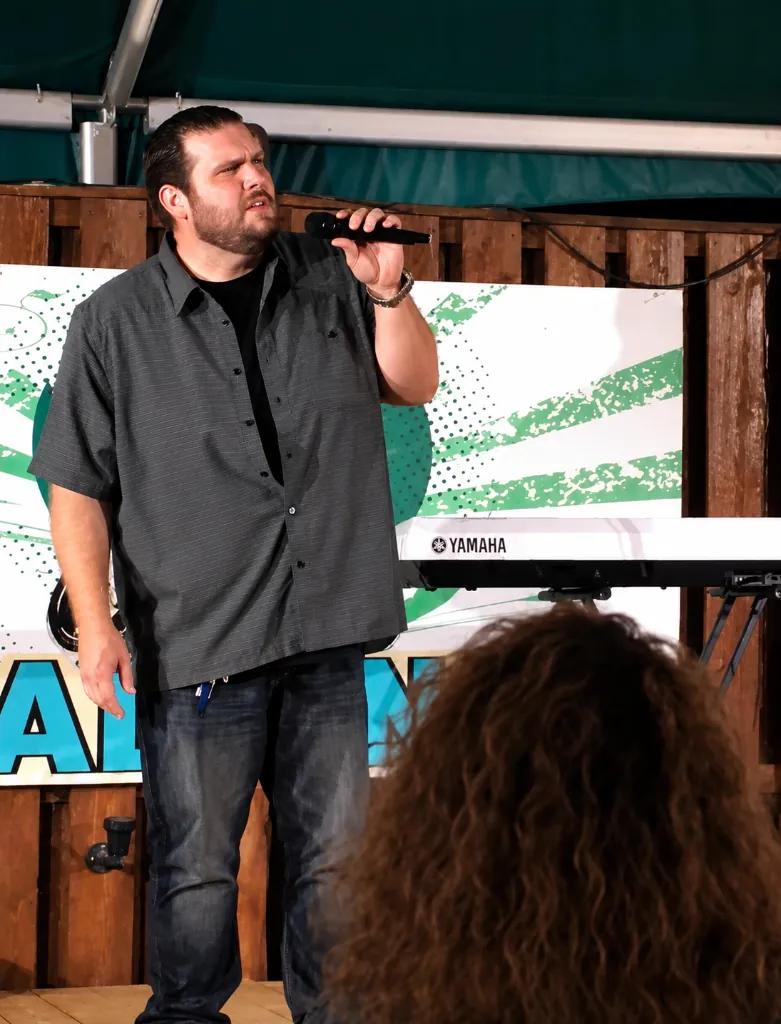
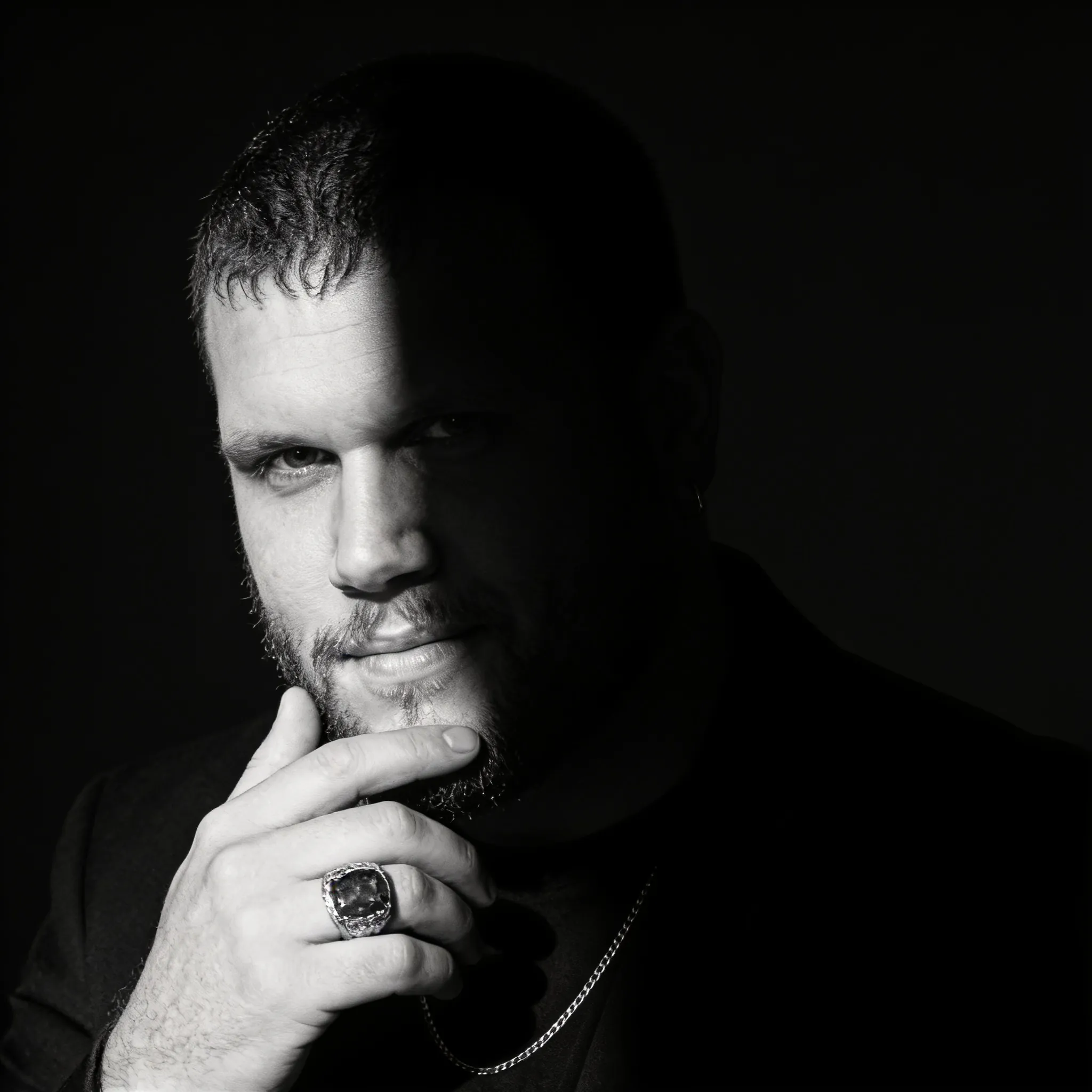
Dustin Nova’s music comes from Kentucky roads, hard miles, family, second chances, and the kind of stories that do not need dressing up. The country side leans into the road and the plainspoken line. The soul side lets the melody sit in the feeling a little longer.
Start with the full music collection to hear both sides of that sound. Dustin’s storygives the long-haul context behind it, while the official videosand journal keep the road in motion. For the newest dates and announcements, the live pageis the place to look.
Listen to Dustin Nova ↗FAQ
Frequently asked questions
Is outlaw country a genre or an attitude?
It is both. The original movement had a recognizable musical setting, but its lasting idea is artistic independence. Modern artists can draw on that idea without copying a 1970s sound.
Who are the main outlaw country artists?
Willie Nelson and Waylon Jennings are central figures, with Kris Kristofferson, Jessi Colter, Tompall Glaser, Billy Joe Shaver, and others helping shape the movement and its reach.
Is Johnny Cash outlaw country?
Johnny Cash is often associated with the outlaw spirit because of his uncompromising image and hard-edged storytelling. He overlaps with the movement, though outlaw country was a specific 1970s scene built largely around artists claiming more control over their work.
What makes a song feel outlaw country today?
Listen for direct storytelling, a sense of place, rougher edges, and an artist who sounds like they mean every word. Independence matters more than costume, volume, or nostalgia.