The best outlaw country artists did not all sound alike, wear the same clothes, or come from the same town. What held them together was a refusal to let somebody else sand down the song. Their records made room for hard-earned voices, writers with something to say, and country music that could take a little rock, folk, blues, and soul without asking permission.
Start with the artists who made the movement real
Outlaw country became a recognizable movement in the 1970s, when country artists pushed back against a tightly controlled Nashville system. The Library of Congress timelineplaces the movement in 1976 and names Willie Nelson, Waylon Jennings, Jessi Colter, Kris Kristofferson, Johnny Cash, and Hank Williams Jr. among its important figures. That is a useful starting point, but not a rulebook. Some artists were the movement's public face, while others supplied the songs, the Austin community, or the rougher point of view that made the whole thing matter.
A good listening guide should separate the core story from the larger family tree. The first group below is where to begin. The next group adds songwriters and scene-builders whose names explain why outlaw country became more than a handful of hit records.
1. Waylon Jennings
Waylon Jennings is the clearest entry point because the word outlaw was tied directly to the fight he made in the studio. The Country Music Hall of Fame explainsthat Jennings won the right to record the material he wanted, in the studio he wanted, with the musicians he wanted. That is the movement in one sentence: artistic freedom, backed up by records that actually sounded different.
Start with Honky Tonk Heroes and Dreaming My Dreams. Listen for the steady, unhurried vocal and arrangements that feel muscular without becoming crowded. Jennings made country music sound tougher by trusting the groove and the lyric. His work is not just about rebellion. It is about knowing exactly which details a song needs and leaving the rest alone.
2. Willie Nelson
Willie Nelson brought a writer's ear, a jazzier sense of time, and a Texas-sized openness to the movement. His move back to Texas was more than a change of address. It put him in a scene where folk, country, rock, and songwriter music could share a room. That mixed audience made a looser, more personal kind of country music possible.
Begin with Shotgun Willie, Phases and Stages, andRed Headed Stranger. The Smithsonian notes that Nelson made Red Headed Stranger after gaining complete creative control. Those records show why no single instrument or vocal trick defines the sound. Nelson can be spare, funny, wounded, elegant, or completely loose, often in the same set. What stays consistent is the feeling that the song gets to choose its own shape.
3. Jessi Colter
Any outlaw-country list that treats women as a footnote has missed the story. Jessi Colter was part of Wanted! The Outlaws, the 1976 collection that turned a scene into a headline. Her voice added vulnerability, mystery, and a different kind of force to the movement. She could make a song feel intimate without making it small.
Start with “I'm Not Lisa” and her work with Jennings, then hear the way the phrasing carries a song before the arrangement does. Colter is a reminder that outlaw country is not defined by volume or a rough image. It is defined by an artist who sounds like themselves and does not soften the truth to make it easier to sell.
4. Kris Kristofferson
Kris Kristofferson belongs on this list because outlaw country needs great writing as much as it needs great records. His songs brought plain language, moral complication, and a kind of lived-in poetry that could hit hard without shouting. “Sunday Mornin' Comin' Down,” “For the Good Times,” and “Me and Bobby McGee” have enough detail to feel specific, yet enough space for the listener to bring their own life to the line.
He also helps explain why the label reaches beyond a narrow guitar sound. A Kristofferson song can be country, folk, or something in between. The outlaw connection is the independence of the voice and the willingness to leave a character imperfect. That directness is still one of the best tests for any singer-songwriter.
5. Johnny Cash
Johnny Cash was already a giant before outlaw country found its name, but his black-clad image, prison records, and affinity for hard stories made him an essential reference point. He later joined Nelson, Jennings, and Kristofferson in the Highwaymen, proving that the broader outlaw spirit could connect artists with very different careers. Cash's importance is not that every song fits a 1970s category. It is that he made room for country music to be darker, stranger, and more human than a polished radio formula.
Try At Folsom Prison for the tension between performance and story, then follow it with his Highwaymen work. You can hear why the outlaw label often attaches to an attitude as much as to a specific recording method.
The writers and Texas voices around the center
Billy Joe Shaver, Guy Clark, Townes Van Zandt, Jerry Jeff Walker, Tompall Glaser, and David Allan Coe make the picture wider. They do not all occupy the same place in the movement, and that is the point. Outlaw country was a living community of performers, writers, producers, clubs, and audiences, not a membership card.
Shaver's writing gave Jennings some of his sharpest material. Guy Clark brought precise, deeply observed songs about ordinary objects and difficult lives. Townes Van Zandt made room for darkness and tenderness. Jerry Jeff Walker helped build the Austin audience that welcomed a freer kind of country. The useful lesson is to follow the songs, not just the famous names. A listener who loves “Honky Tonk Heroes” should hear Shaver. A listener who loves the detail in “Pancho and Lefty” should spend time with Townes.
Tompall Glaser matters for another reason: he built a Nashville studio where artists could work outside the usual assembly line. That practical independence is easy to overlook when the story gets told through famous faces, but it changed what an artist could make. The movement needed people who could write the songs, perform them, make the records, and find rooms where listeners would show up. Those pieces were as important as the rebellious headlines.
What about modern outlaw country artists?
The modern label is looser, and that is worth saying plainly. An artist does not become an outlaw just by wearing vintage denim or adding a hard guitar solo. The better question is whether the music puts a distinct point of view ahead of a marketable template. That is why listeners often connect Sturgill Simpson, Margo Price, Jamey Johnson, Cody Jinks, Nikki Lane, Jason Isbell, and others to the outlaw tradition.
These artists are not replacements for the originals, nor do they need to copy them. Some pull from honky tonk, some from rock, some from folk, and some from soul or Southern grooves. What links them is a willingness to make records with rough edges, specific writing, and enough confidence to let a song be complicated. A guide from Cowboys & Indiansmakes the same useful distinction: outlaw country is a mindset as much as a single sound.
Start with Sturgill Simpson if you want a Kentucky voice that refuses neat genre boundaries. Try Margo Price for sharp songs with a modern independent streak. Jamey Johnson is a good next step for a heavy, traditional baritone, while Jason Isbell is a strong bridge for listeners who care first about songwriting. Let your ears make the final call. The label should lead you to a song, not keep you from hearing one.
What this label does not mean
Outlaw country is not a catch-all for every traditional country artist, every independent singer, or every song with a rough vocal. Traditional country can be polished and still be excellent. Americana can borrow from country, folk, blues, and rock without carrying the particular history of the outlaw movement. Southern rock can have plenty of attitude without putting the story at the center. The labels overlap because music is messier than a filing cabinet.
Use the word outlaw as a helpful direction, not a test an artist has to pass. It points toward creative control, sharp storytelling, and a willingness to leave a little dust on the record. When a listener wants more of that, the artists in this guide give them a strong path forward. When a record does something different, it does not become less valuable just because it belongs under another name.
How to build an outlaw-country listening path
Start with one core artist, then move sideways instead of rushing straight through a greatest-hits list. Try Jennings, then the Billy Joe Shaver songs that gave his records their bite. Try Willie Nelson, then Jerry Jeff Walker or Guy Clark to hear the Texas songwriter community around him. Try Jessi Colter, then Margo Price or Nikki Lane to hear how women have carried an independent voice forward.
Keep listening for three things: a vocal that feels inhabited, writing that uses details instead of slogans, and an arrangement that knows when to stay out of the way. Those traits are more durable than any one playlist. They also explain why the genre still attracts listeners who want country music to feel less manufactured and more personal.
Why these artists still matter
The original outlaws did not win because they agreed on a single formula. They won because each one made country music more personal. Jennings brought authority and drive. Nelson made space for strange turns of phrasing and quiet storytelling. Colter proved strength could be intimate. Kristofferson and the Texas writers showed that a plain line can carry as much weight as a clever one. Cash kept the door open for characters who were not easy to clean up by the final chorus.
That is why these artists still reward deep listening. Their records do not ask a listener to admire a costume or memorize a genre rule. They ask for attention. Hear how a voice leans into one word, how a band leaves a little air around a hard line, or how a story resists the tidy ending. Those choices travel well across decades, and they are the reason a listener can move from a Waylon record to a new independent artist without losing the thread.
Where Dustin Nova fits in
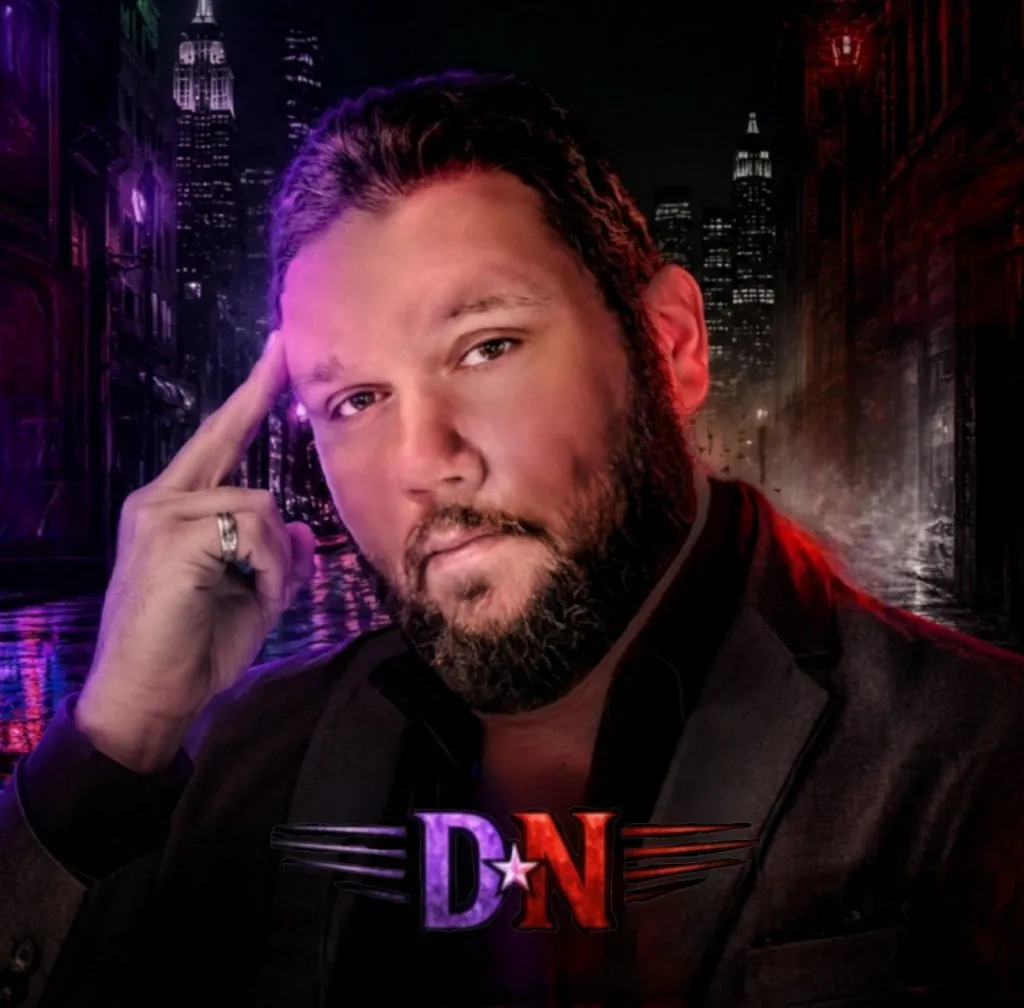
Dustin Nova is not trying to replay the 1970s. The connection is in the straight-talking country side, the room for a lived-in vocal, and the Soul and Motown feeling that lets a melody carry some weight. It is music for listeners who want grit without losing the groove.
Hear that balance in the music collection, watch the performance side on the official videos, and read the story behind the songs. For new releases and road updates, the journalkeeps the next chapter close.
Listen to Dustin Nova ↗FAQ
Frequently asked questions
Who were the original outlaw country artists?
Willie Nelson, Waylon Jennings, Jessi Colter, Tompall Glaser, Kris Kristofferson, and Johnny Cash are central names in the story. The movement also draws on writers and performers including Billy Joe Shaver, Jerry Jeff Walker, Guy Clark, David Allan Coe, and Townes Van Zandt.
Is Johnny Cash an outlaw country artist?
Johnny Cash is closely associated with the outlaw spirit because of his uncompromising public image, prison records, and later work with Willie Nelson, Waylon Jennings, and Kris Kristofferson. He was not built from the exact same Austin and Nashville scene as every original outlaw, but he is an essential part of the wider story.
Who are modern outlaw country artists?
The label is used broadly today. Artists such as Sturgill Simpson, Margo Price, Jamey Johnson, Cody Jinks, Nikki Lane, and Jason Isbell are often discussed in outlaw-country conversations because they put distinctive writing and artistic independence ahead of fitting a narrow formula.
What should I listen to first?
Start with Waylon Jennings and Willie Nelson for the core movement, then hear Jessi Colter and Kris Kristofferson for two different sides of the sound. From there, move toward Billy Joe Shaver, Guy Clark, Townes Van Zandt, and modern writers whose songs value the same directness.
Keep Reading
Related posts
What Is Outlaw Country? A Straight-Talking Guide
The history, sound, and spirit behind a country movement that still means something.
Modern Outlaw Country: 10 Artists and Songs to Hear
A listening guide to modern artists carrying forward Country grit, sharp writing, and independence.

Outlaw Country Songs: 12 Essential Tracks to Hear
A practical listening guide to the songs that define Outlaw Country, from back-road singalongs to hard-won stories.

Outlaw Country Playlist: 24 Songs for the Long Road
A 24-song listening route through the records, writers, and newer voices that keep Outlaw Country moving.